GENERATIVE AI · ART DIRECTION PIPELINE
AI Product Visual System for Beauty of Joseon
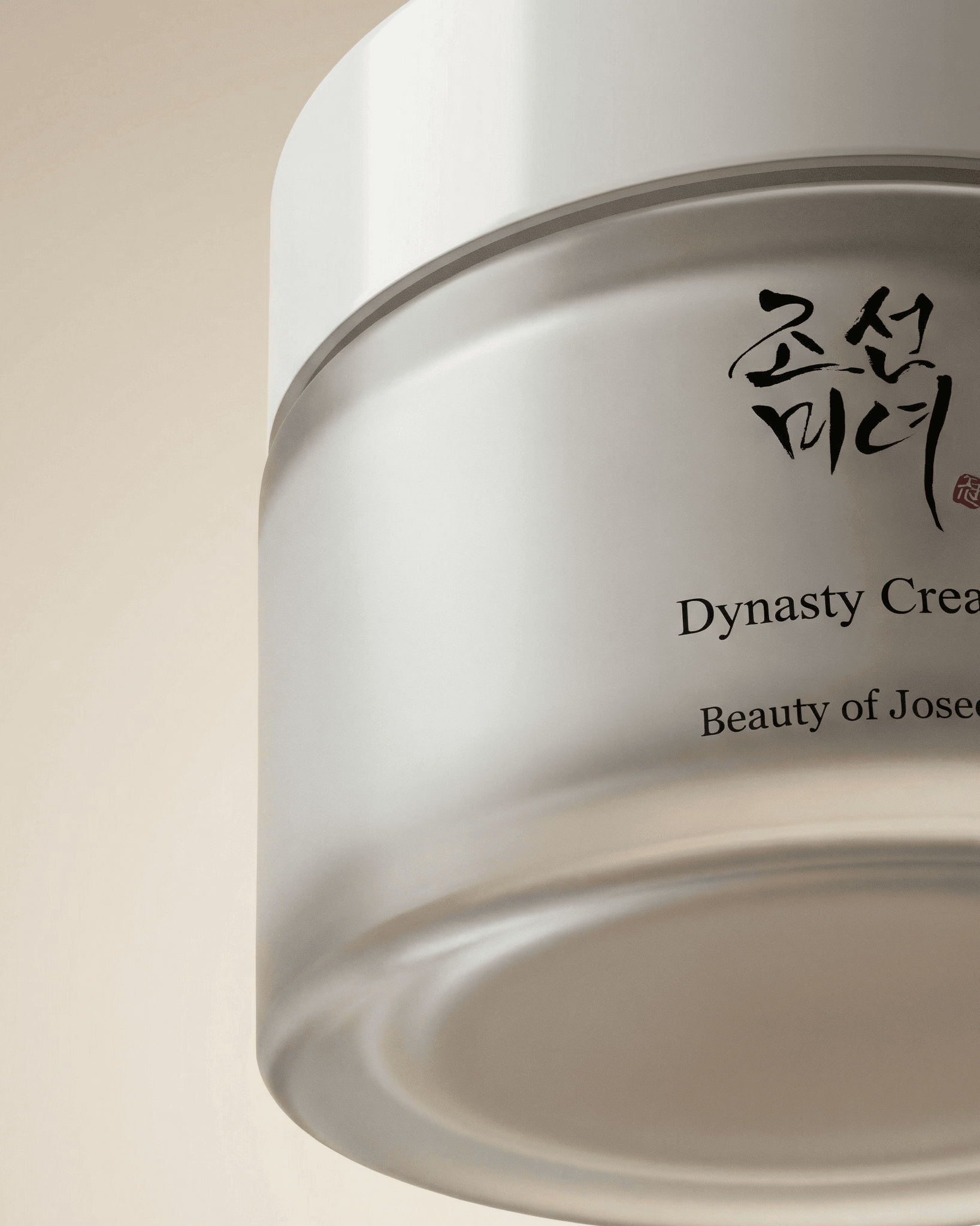
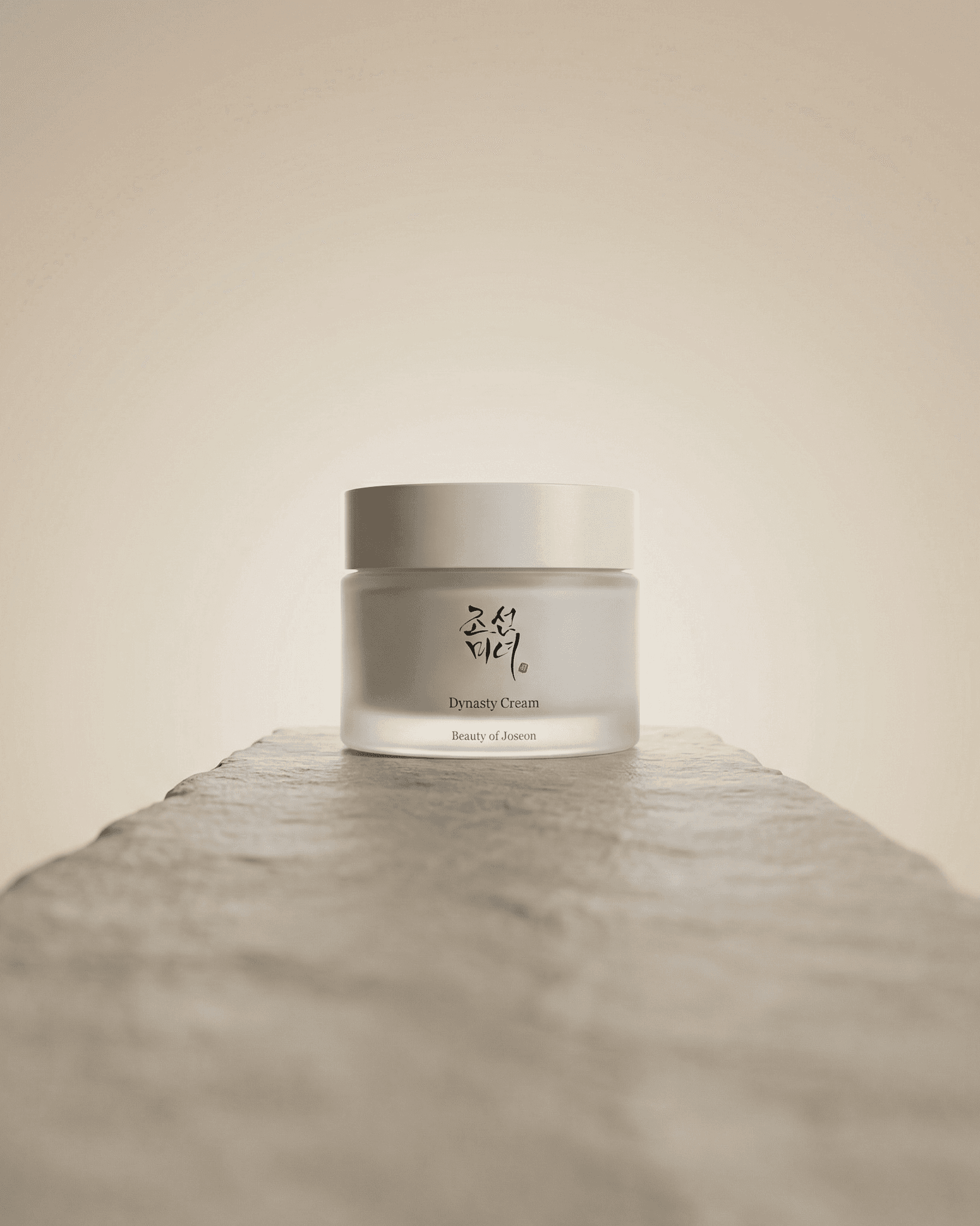
This project explores a design-first generative pipeline for product imagery. Instead of relying solely on prompts, I reconstructed a controllable 3D version of the product using AI, allowing precise art direction through camera positioning and geometry control. The final visuals were generated using structured references, combining real packaging assets with positional renders to achieve consistent, hyperrealistic results.
WORKFLOW BREAKDOWN
STEP 1 — 3D Reconstruction
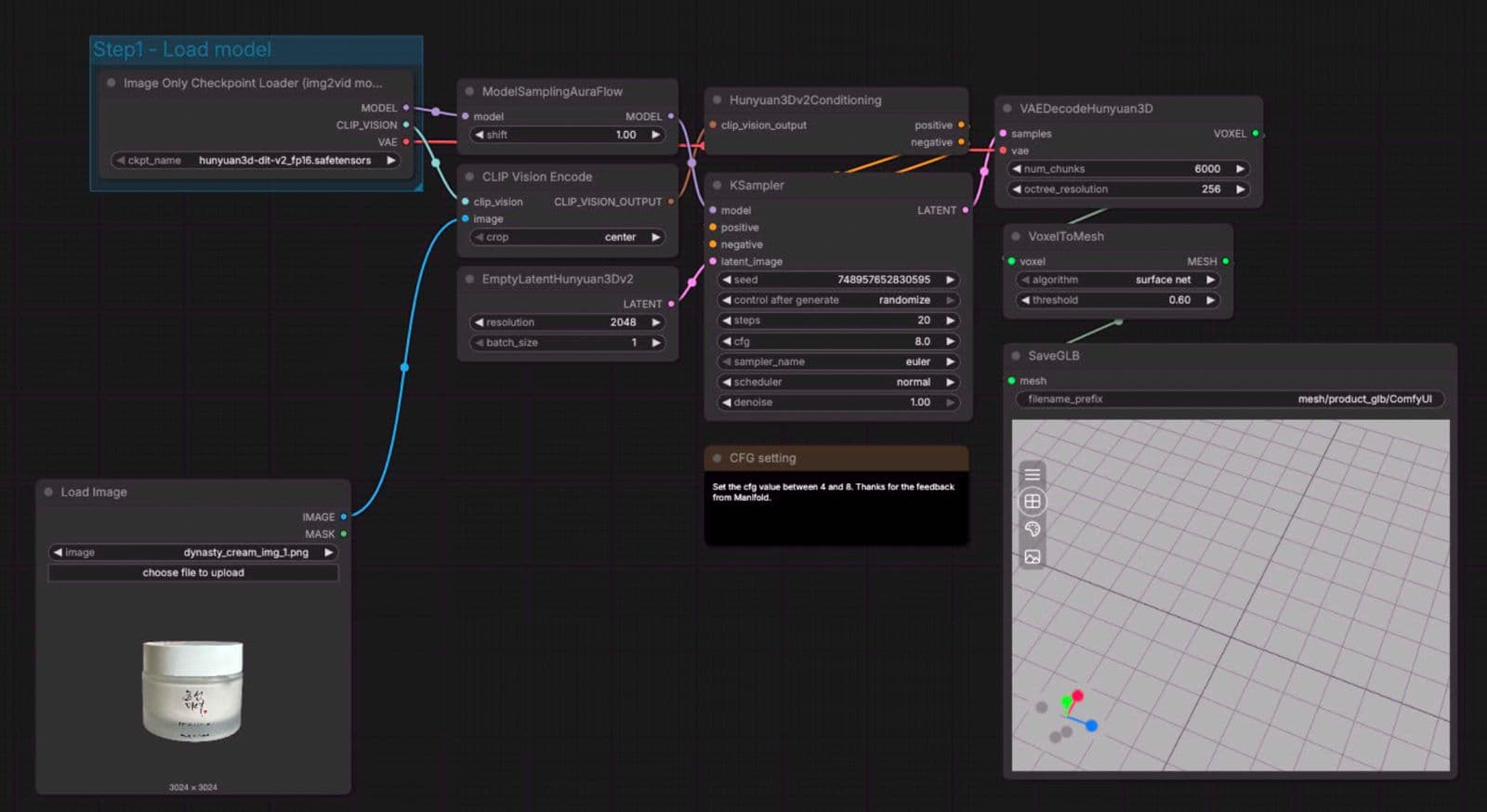
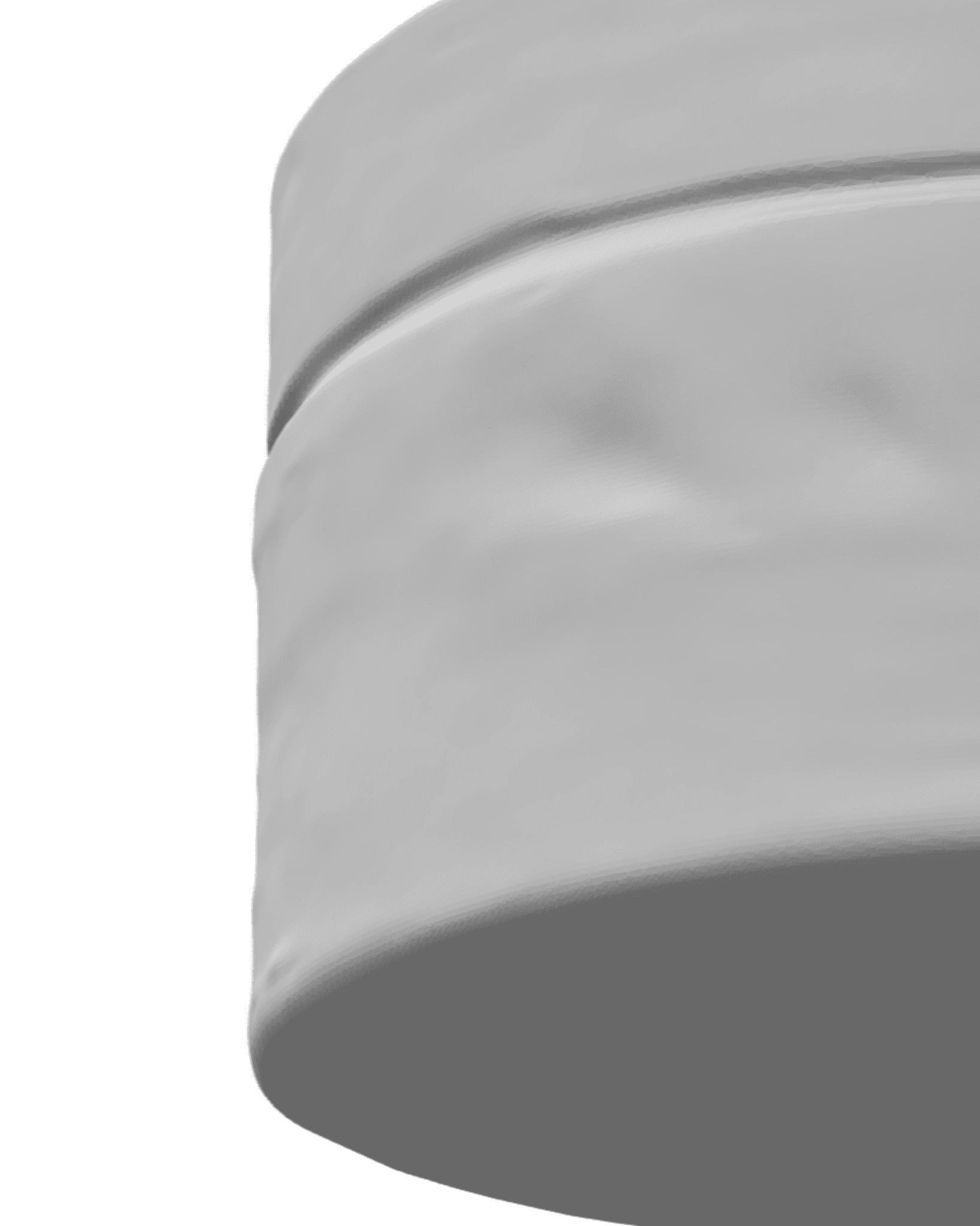
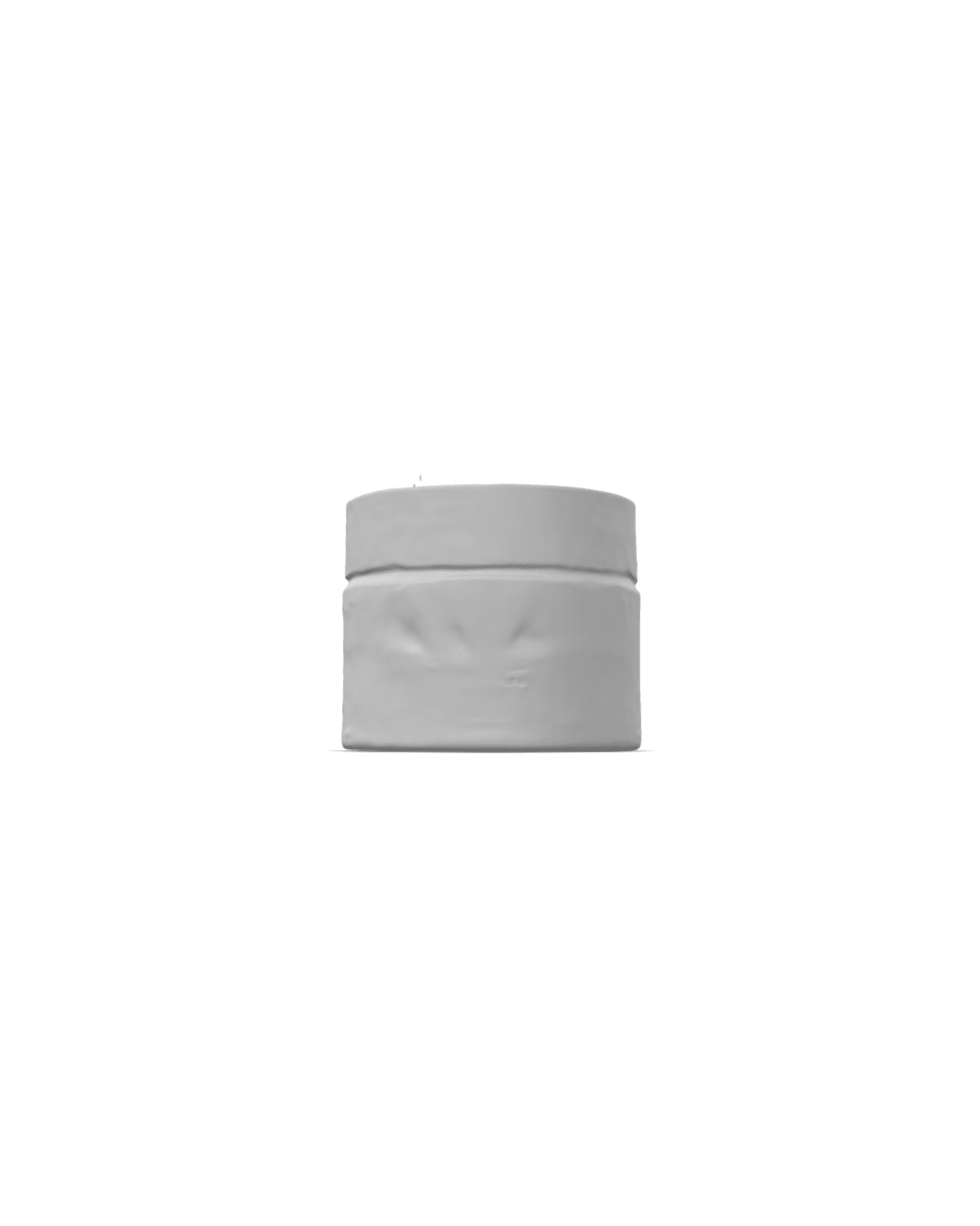
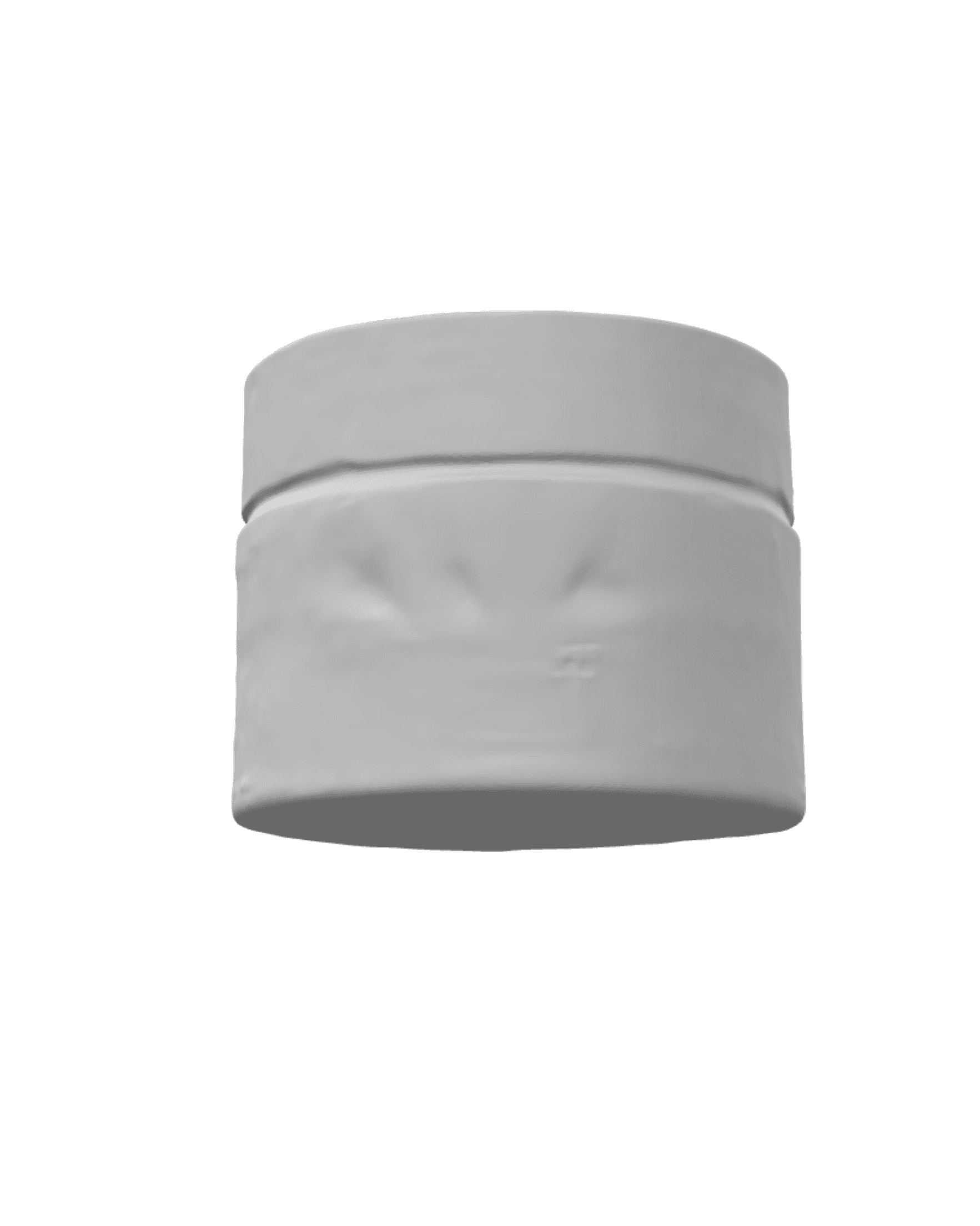
Generated a GLB model from a single product image using a custom ComfyUI workflow. The goal was to obtain full control over product positioning and camera perspective before image generation.
STEP 2 — Position & Art Direction
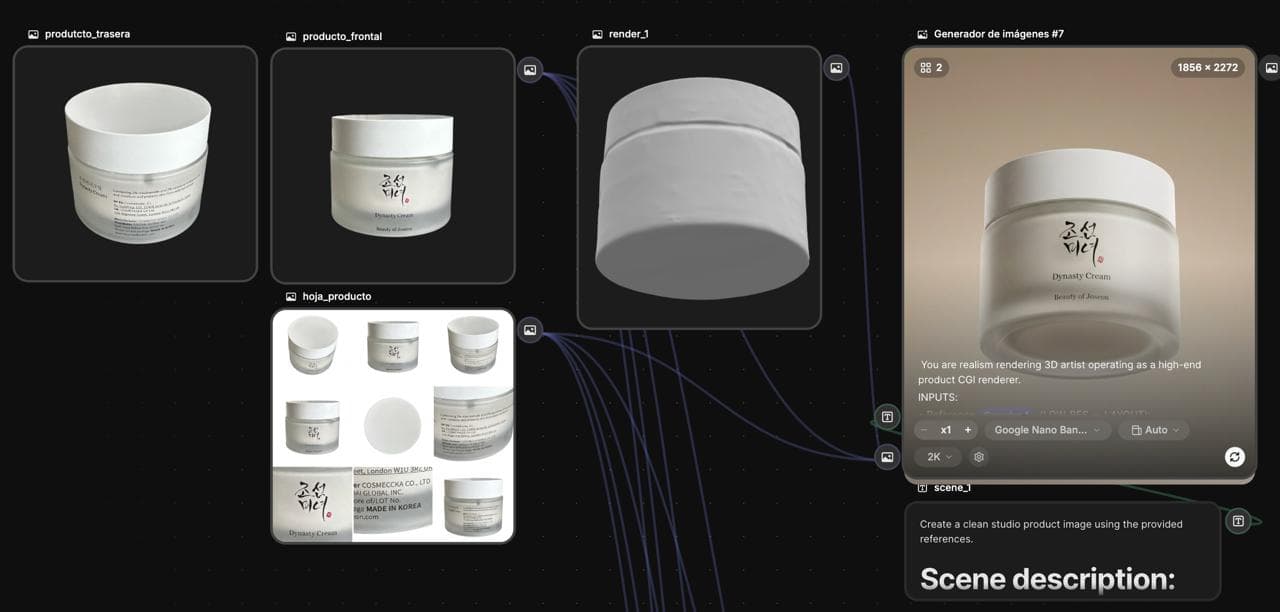
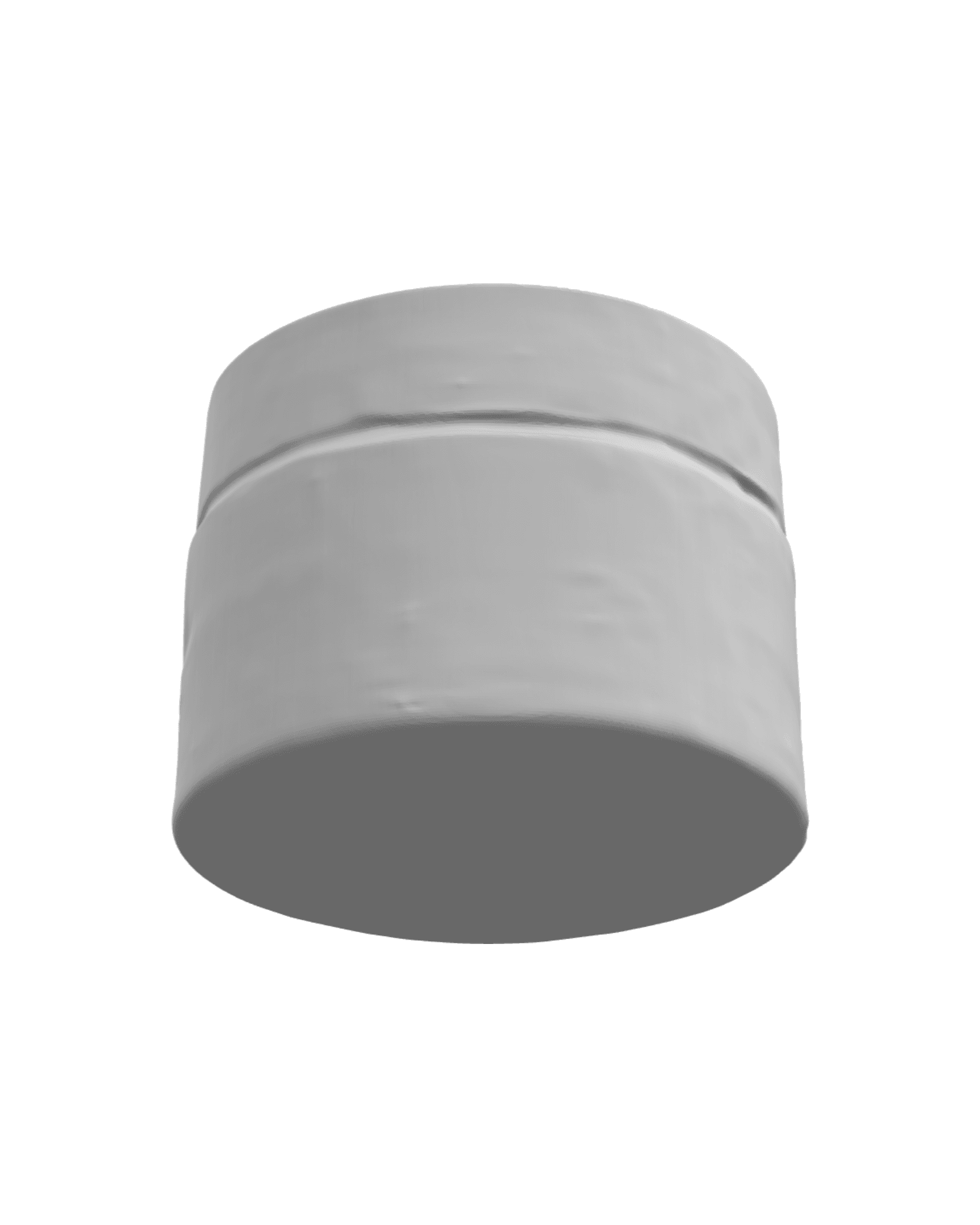
Used a neutral 3D render as a geometric anchor to define composition and camera angle before generating the final visuals.
STEP 3 — Generative Visual Creation
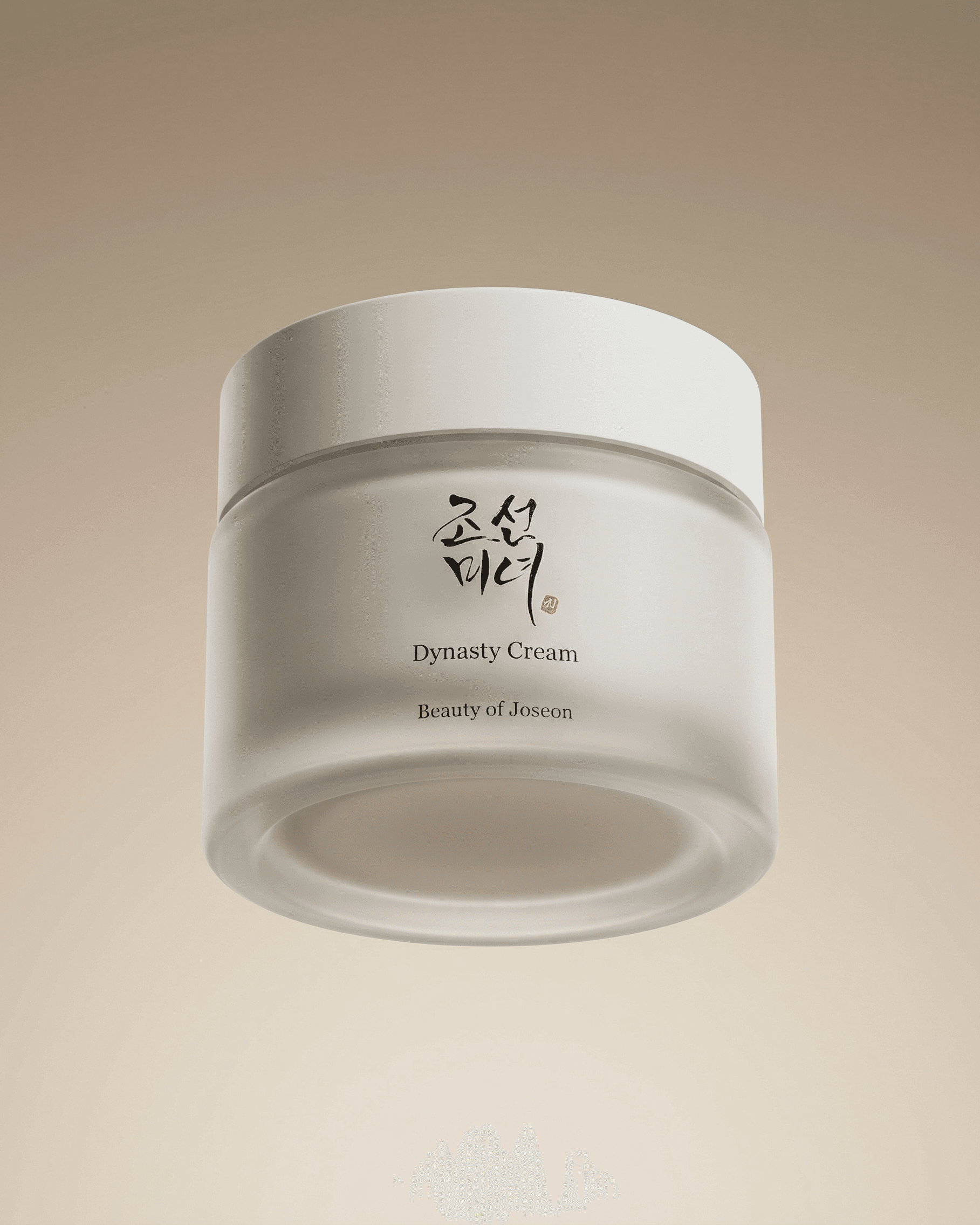
Combined real packaging references with positional renders to generate hyperrealistic skincare visuals while maintaining branding consistency.
3D / AI VISUAL
3D
AI Visual
3D
AI Visual
3D
AI Visual

3D
AI Visual
Instead of relying on traditional shooting or random prompting, I built a controlled generative workflow that allowed me to art-direct product imagery.
This approach transforms AI from a purely generative tool into a structured visual system. By combining 3D reconstruction, positional rendering and curated references, I can define composition, camera perspective and visual hierarchy before the image even exists, reducing randomness while increasing creative control.
Rather than replacing design thinking, generative AI becomes an extension of art direction. It enables faster iteration, scalable visual production and a more cohesive brand language across multiple assets, while maintaining a high level of realism and intentionality.
For brands, this means fewer dependencies on traditional production workflows, more flexibility during concept exploration, and the ability to evolve visual campaigns through design-driven experimentation instead of one-off executions.